Latest Developments In the Field of IT
IT has been recognised as one of the most powerful areas of the contemporary world. It moves innovation in education, health care, finance, communication and industry. The fast development of artificial intelligence (AI), robotics and digital systems has altered the manner of operation and expansion of societies and economies.
IT Gadgets and Advanced Digital Devices
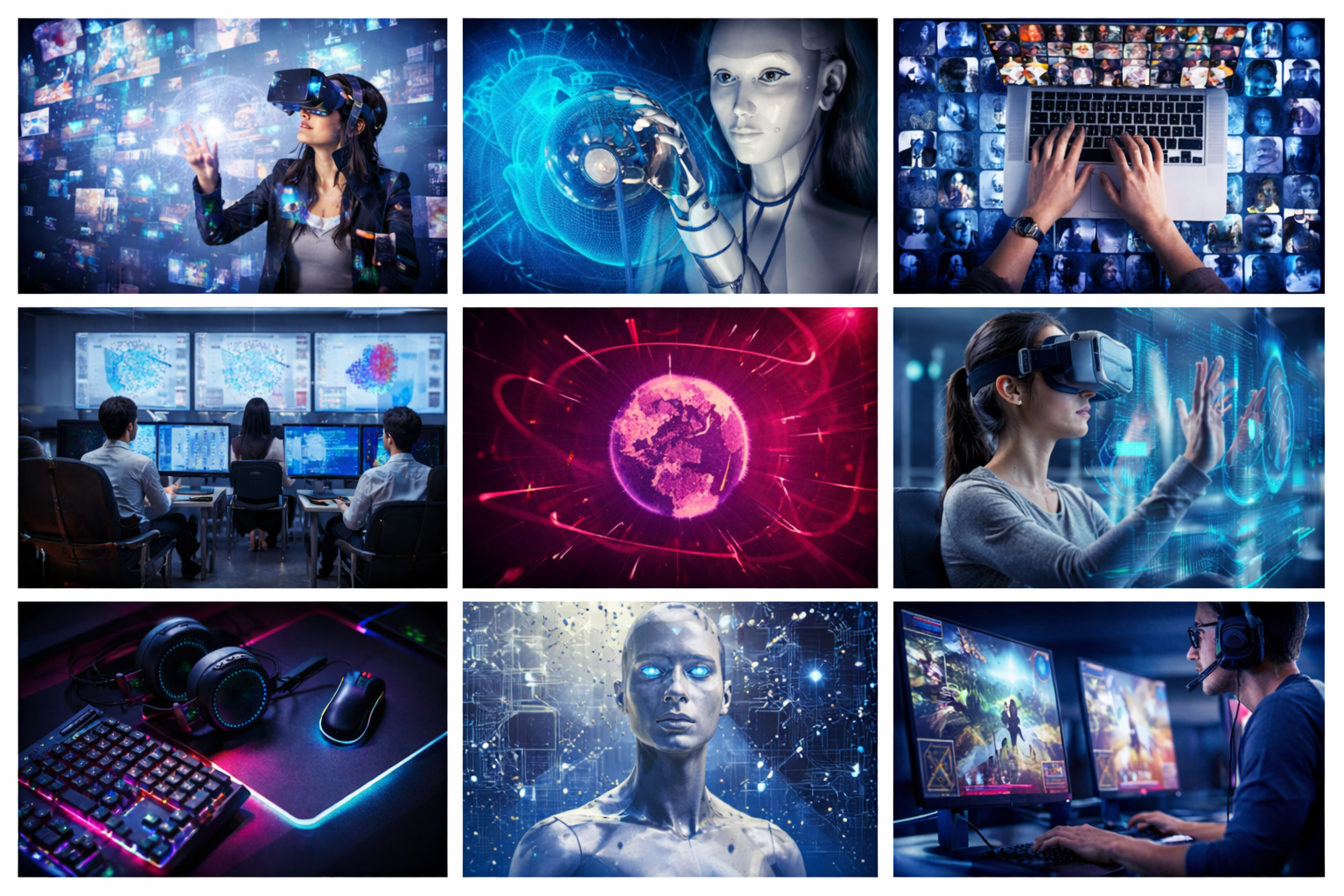
Contemporary IT devices are high-energy, smart devices, which are aimed at processing a lot of information and performing complicated operations.
Examples include:
- Laptops and workstations are used by high performers.
- AI-enabled smartphones
- Fit bitches and health trackers.
- Intelligent systems of home automation.
- Industrial IoT devices
They are gadgets that are efficient and consume high-speed processors, connectivity and cloud integration.
Digital Platforms and Applications
Applications (apps) are software programs that are specialised to carry out certain functions. Today, apps are functioning in interdigital ecosystems.
They are widely used for:
- Learning online and virtual teamwork.
- Online shopping and online advertising.
- Financial technology (FinTech)
- Software development and data analytics.
- Storing and managing in the cloud.
The use of AI algorithms in modern applications is the provision of intelligent services and automation.
Digital Transformation and Computerisation
Computerisation means the substitution of manual systems with computer-based systems. This has over the years been metamorphosed into a complete digital transformation whereby organisations are incorporating high levels of technologies in all their operations.
It is evident in:
- Core banking systems
- Hospital management software.
- E-governance services
- Enterprise resource planning (ERP) systems.
- Smart manufacturing units
Digital transformation enhances efficiency in operations, accuracy of data and decision-making.
Artificial Intelligence (AI)
Artificial intelligence refers to the creation of systems that can execute some tasks previously undertaken by human minds.
Key AI technologies are the following:
- Machine Learning (ML)
- Deep Learning
- Natural Language Processing (NLP)
- Computer Vision
- Predictive Analytics
AI applications are found in:
- Autonomous vehicles
- Medical diagnostics
- Financial fraud detection
- Smart assistants
- Cybersecurity systems
AI improves automation, precision and objective decision-making.
Robotics and Automation
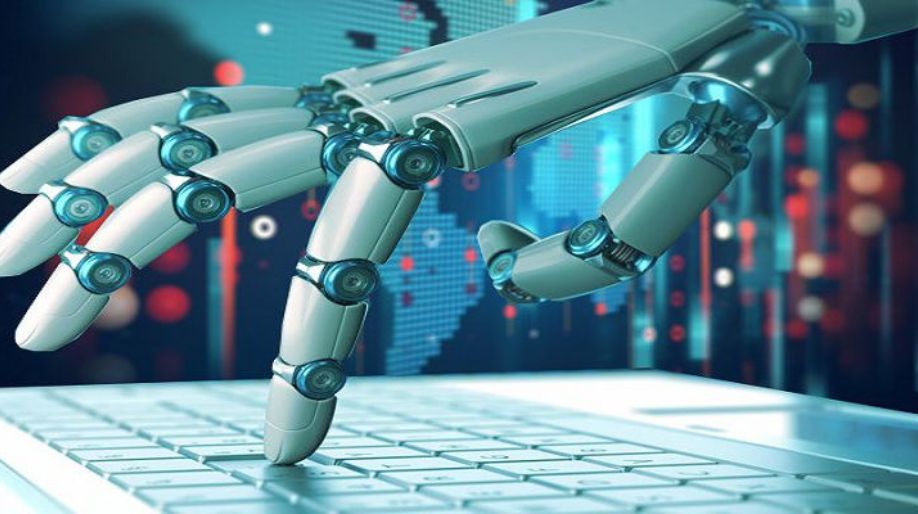
Robotics is a combination of mechanical engineering, electronics and programming to produce intelligent machines that can perform automated tasks.
Robots are widely used in:
- Industrial manufacturing
- Precision surgeries
- Space exploration missions
- Military and defence activities
- Automation of warehouses and logistics
Robotics helps to avoid human error and enhance productivity.
Other New IT Developments
The IT industry is keeping on innovating, and some of the innovations include:
- Cloud technology and distributed networks
- Internet of Things (IoT)
- Blockchain technology
- Big Data and analytics
- Cybersecurity frameworks
- Augmented and Virtual Reality
The technologies are transforming industries and making the world connected digitally.
IT's Effect on Society and Economy
Information technology has an impact on the following:
- Global economic growth.
- Cross-border communication networks.
- Digital education systems.
- There is scientific research and innovation.
- Technological jobs.
Nevertheless, the use of technology and cyber safety are also crucial issues of the digital age that require ethical use.
QUIZ FOR LATEST DEVELOPMENTS IN THE FIELD OF IT
1. IT is primarily useful in:
A) Production of computer chips.
B) Digital information processing and management.
C) Designing buildings
D) Producing electricity
Answer: B) Digital information processing and management.
2. Which of the following devices can be considered an example of wearable technology in health monitoring?
A) Desktop computer
B) Smartwatch or physical fitness tracker.
C) Router
D) Scanner
Answer: B) Smartwatch or physical fitness tracker.
3. An example of a smart home system which is automatically regulated to turn on and off lighting and temperature.
A) Industrial robotics
B) Home automation
C) Data analytics
D) Cybersecurity
Answer: B) Home automation
4. What technology enables machines and other appliances like sensors to interact with one another via the internet?
A) Blockchain
B) Internet of Things (IoT)
C) Virtual Reality
D) Big Data
Answer: B) Internet of Things (IoT)
5. An example of when a hospital changes the paper records with the digital patient management software.
A) Data mining
B) Computerisation and digital transformation.
C) Robotics automation
D) Artificial intelligence
Answer: B) Computerisation and digital transformation.
6. What is the primary AI technology that helps computers to communicate with human language in text or speech?
A) Computer Vision
B) Deep Learning
C) Natural Language Processing
D) Blockchain
Answer: C) Natural Language Processing
7. The main reliance of a self-driving vehicle to analyse road signs and obstacles with the help of cameras mostly depends on:
A) Computer Vision
B) Database Management
C) Cloud Storage
D) Network Switching
Answer: A) Computer Vision
8. The primary improvements made by robots in automated manufacturing assembly lines include:
A) Human entertainment
B) Productivity and accuracy
C) Internet speed
D) Graphic design
Answer: B) Productivity and accuracy
9. What new technology is widely employed in the case of safe online transactions and electronic currencies?
A) Big Data
B) Blockchain
C) Cloud Storage
D) IoT
Answer: B) Blockchain
10. What do you consider to be not a direct influence of IT on society?
A) Digital education development.
B) Quickening international communication.
C) More manual paperwork.
D) Technology career expansion.
Answer: C) Heightened paperwork.